

Boost Your Good Cholesterol: The Best Exercises for Improving HDL Levels
Exercise is one of the most effective ways to boost HDL cholesterol, improving heart health and reducing cardiovascular risks. In this blog, we’ll explore the best exercises that can increase HDL levels and their benefits for overall wellness. For more information, contact us or request an appointment online. We serve patients from Lesslie SC, India Hook SC, Riverview SC, Newport, SC, Catawba SC, Tega Cay SC and surrounding areas.
Exercise
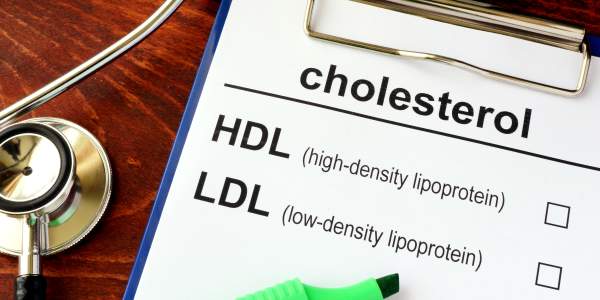
High-density lipoprotein (HDL) cholesterol, often dubbed the “good” cholesterol, plays a crucial role in heart health by scooping up excess cholesterol from your bloodstream and shuttling it back to the liver for disposal. Low HDL levels are linked to higher risks of heart disease, but the great news is that exercise is one of the most effective, natural ways to boost it. Unlike medications, physical activity not only raises HDL but also enhances its quality—making it more efficient at protecting your arteries.
While any movement is better than none, research shows that specific types of exercise, combined with the right intensity, frequency, and duration, yield the best results for HDL improvement. We’ll break down the evidence-based options to help you craft a routine that fits your lifestyle.
Aerobic Exercise: The HDL Powerhouse
Aerobic, or cardio, exercises are rhythmic activities that engage large muscle groups and get your heart pumping. They’re the gold standard for raising HDL because they promote better lipid metabolism in a dose-dependent way—the more you do (smartly), the bigger the boost. Studies show increases of 4-18% in HDL-C levels, with even greater effects if your baseline HDL is low or triglycerides are high.
Types of Aerobic Exercises:
- Jogging or running
- Cycling (indoor or outdoor)
- Swimming or aquatic workouts
- Brisk walking
- Rowing or elliptical training
These activities are accessible and can be adapted for beginners. For example, swimming is low-impact, making it ideal for joint issues, while cycling builds endurance without heavy pounding.
Intensities:
- Moderate: Aim for 50-70% of your VO2 max or 60-73% of your maximum heart rate (you can talk but not sing). This level is sustainable and excellent for HDL gains, especially in women, older adults, or those new to exercise.
- Vigorous/High: Push to 65-85% VO2 max or 73-88% max heart rate (conversation is tough). It’s more effective for pronounced HDL increases, particularly in men, and can outperform moderate efforts when volume is high.
Frequency and Duration:
- Frequency: 2-3 days per week, or most days for optimal results.
- Duration: 30-45 minutes per session, totaling 60-135 minutes weekly for moderate intensity or 45-150 minutes for vigorous. Even breaking it into 10-minute bouts works. Longer sessions (e.g., 40-60 minutes) at moderate intensity are particularly good for HDL, with benefits seen after 8-12 weeks of consistency.
Start with moderate brisk walking for 30 minutes, five days a week, and gradually incorporate vigorous elements like intervals.
Resistance Training: Building Strength for Better Lipids
While not as potent for HDL as aerobics, resistance training (strength or weight training) can still contribute, especially when intense. It often decreases LDL (“bad” cholesterol) and triglycerides more reliably, with variable HDL effects—sometimes increasing it at high intensities but not always. It’s a great complement to cardio for overall heart health.
Types of Resistance Exercises:
- Weight lifting (free weights or machines)
- Bodyweight exercises like squats, push-ups, or planks
- Circuit training (combining moves with minimal rest)
- Resistance bands or kettlebell swings
Focus on full-body routines to maximize benefits.
Intensities:
- Moderate: 50-75% of your one-rep max (1RM), where you can do 10-15 reps comfortably.
- High: 80-90% 1RM, for 6-8 reps, which may boost HDL more but requires proper form to avoid injury.
Frequency and Duration:
- Frequency: 3 sessions per week.
- Duration: 45-60 minutes per session, focusing on volume (e.g., multiple sets). Aim for progressive overload over 8-12 weeks.
If HDL is your main goal, pair this with aerobics rather than doing it solo.
HIIT and Combined Training: Efficient and Comprehensive Approaches
High-Intensity Interval Training (HIIT) alternates short bursts of vigorous effort with recovery periods. It’s time-efficient and can improve HDL functionality, like cholesterol efflux, while altering lipids positively in as little as 10-15 minutes. Combined training (aerobic + resistance) offers balanced benefits, reducing LDL and triglycerides while supporting HDL.
Types:
- HIIT: Sprint intervals on a bike, burpees, or jump rope circuits.
- Combined: 30 minutes moderate cardio followed by 30 minutes strength work.
Intensities:
- HIIT: High (85-90% max effort during bursts).
- Combined: Moderate for both components (60-80% for aero, 60-85% 1RM for resistance).
Frequency and Duration:
- HIIT: 3-4 sessions/week, 20-30 minutes (e.g., 30 seconds all-out, 1-2 minutes rest, repeated).
- Combined: 3-5 sessions/week, 45-60 minutes total. Moderate-intensity combined programs over 12 weeks have shown HDL increases of 6-8%.
HIIT is perfect for busy schedules but may not suit everyone—ease in if you’re a beginner.
Tips for Success and Long-Term Gains
To maximize HDL benefits:
- Track progress: Get lipid panels before and after 8-12 weeks.
- Combine with diet: Pair exercise with heart-healthy foods like oats, nuts, and fatty fish.
- Stay consistent: Volume matters more than perfection—aim for high total activity.
- Listen to your body: Build gradually to avoid burnout or injury.
Exercise can raise HDL by 5-13% or more, depending on your starting point and adherence. Whether you prefer a leisurely swim or intense intervals, the key is finding joy in movement. Your heart will thank you—start small, stay steady, and watch your “good” cholesterol soar!




 Send Text
 How May I Help You?