
Navigating Holiday Cheer: What Happens With Too Much Alcohol
The holiday season often comes with festive drinks, but the morning after can bring a different kind of misery. While alcohol may bring short-term joy, its long-term effects on your body are less than merry. In this blog, we’ll break down what alcohol really does to your body, how hangovers occur, and the best supplements and strategies to minimize the damage. For more information, contact us or request an appointment online. We serve patients from Lesslie SC, India Hook SC, Riverview SC, Newport, SC, Catawba SC, Tega Cay SC and surrounding areas.
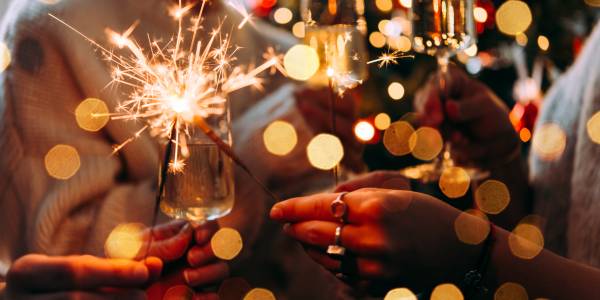

The holidays are here—office parties, family gatherings, New Year’s Eve toasts—and with them comes a river of eggnog, mulled wine, champagne, and whatever “signature cocktail” your cousin invented this year. Alcohol is practically baked into the season. But while a drink or three can feel festive in the moment, your body pays the bill the next morning.
Here’s the science of what’s actually happening when you drink, why hangovers feel like death, and which supplements can take some of the edge off.
What alcohol actually does in your body
- It’s a diuretic. Alcohol inhibits antidiuretic hormone (ADH), so your kidneys stop reabsorbing water. You pee out more fluid than you drank—often 100–200 mL extra per standard drink. That’s why you wake up dehydrated with a pounding headache and cotton mouth.
- It messes with blood sugar. Your liver is busy metabolizing ethanol via alcohol dehydrogenase (ADH) and aldehyde dehydrogenase (ALDH). While it’s doing that, it can’t keep releasing glucose into your blood. Result: shaky, sweaty, anxious “hangxiety” the next day.
- Acetaldehyde buildup. The first breakdown product of alcohol is acetaldehyde—a toxin 10–30 times more toxic than alcohol itself. If you’re slow at converting it to harmless acetate, (due to genetics this can be worse in some people) you flush, feel awful fast, and get worse hangovers.
- Inflammation and oxidative stress. Alcohol triggers cytokine release and depletes glutathione (your body’s master antioxidant). That’s why your whole body aches and you feel like you got hit by a truck.
- Sleep sabotage. Alcohol is a sedative, so you pass out fast, but it suppresses REM sleep and causes rebound wakefulness in the second half of the night. You might get 8 hours in bed and still feel like you pulled an all-nighter.
- Congeners Dark liquors (whiskey, bourbon, red wine) contain more congeners—byproducts of fermentation—that make hangovers worse. Clear spirits (vodka, gin, white rum) are usually gentler.
The morning-after rescue kit: supplements that have evidence
No magic “hangover cure” exists, but these compounds can meaningfully blunt the damage if taken before bed or first thing in the morning.
- Dihydromyricetin (DHM) – 300–600 mg Extract from the Japanese raisin tree (Hovenia dulcis). Increases ALDH and ADH activity, reduces acetaldehyde buildup, and blunts GABA-A rebound (the “hangxiety” part). Multiple human trials show reduced headache, nausea, and cognitive fog.
- N-Acetylcysteine (NAC) – 600–1200 mg Replenishes glutathione, mops up acetaldehyde, and reduces oxidative stress. A 2020 randomized trial showed NAC + fluids beat fluids alone for symptom relief.
- Electrolytes (especially sodium, potassium, magnesium) Pedialyte, Liquid I.V., LMNT, or even homemade (½ tsp salt + ¼ tsp “No Salt” potassium + squeeze of lemon in 16 oz water) beats plain water every time.
- B-vitamin complex (especially B1/thiamine, B3/niacinamide, B6) Alcohol depletes water-soluble vitamins used in energy metabolism. A high-potency B-complex helps with the shaky, brain-fog feeling.
- Prickly pear cactus extract (Opuntia ficus-indica) – 1600 IU taken 5 hours before drinking One solid double-blind study showed it cut risk of severe hangover in half—probably by reducing inflammation (lower C-reactive protein).
- Ginger – 500–1000 mg Proven anti-nausea agent. Works whether you chew crystallized ginger, drink ginger tea, or take capsules.
- Zinc + Magnesium (night before and morning after) Alcohol depletes both. Low zinc in particular correlates with worse hangover severity.
- Vitamin C – 1000–2000 mg Antioxidant, supports glutathione recycling. Cheap and safe.
The “Never Fail” holiday drinking protocol (If you want to feel human Jan 1)
- Eat a solid fatty/protein meal before drinking (slows absorption).
- Alternate every alcoholic drink with 12–16 oz water or electrolyte drink.
- Take 300–600 mg DHM + 600 mg NAC + B-complex + 200 mg magnesium before bed (even if you’re tipsy—it still helps).
- Keep a big bottle of electrolyte water + 500 mg vitamin C + 600 mg more NAC on your nightstand. Chug when you wake up to pee at 3 a.m.
- Morning: greasy breakfast (eggs, bacon, toast) + more electrolytes + coffee ore tea (caffeine constricts dilated blood vessels causing the headache).
Bottom line
Drink if you want—holidays are for joy, not deprivation—but respect the molecule. A little planning turns “never again” mornings into “eh, I’ve felt worse.”
Cheers, and may your holidays be merry and your January 1st surprisingly functional.




 Send Text
 How May I Help You?