
Tired: It Is More Than Turkey
We’ve all heard that turkey makes us tired due to tryptophan, but the truth is more complex. It’s not just the turkey—carbs, genetics, and holiday stress also play a big role in that post-meal slump. Let’s break it down. For more information, contact us or request an appointment online. We serve patients from Lesslie SC, India Hook SC, Riverview SC, Newport, SC, Catawba SC, Tega Cay SC and surrounding areas.

The tryptophan truth and genetic twist
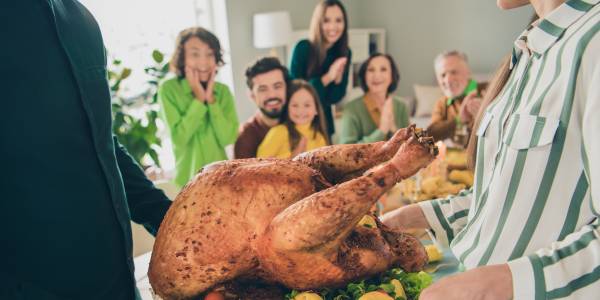
By now most everyone has heard that Thanksgiving turkey has a trytophan and that is the reason why we are tired after dinner. What if I told you it really isn’t the fault of the bird but something else entirerly? Let’s dive in.
Turkey contains tryptophan, an amino acid your body uses to produce serotonin—a mood-boosting chemical—and melatonin, the sleep hormone. The idea is that tryptophan floods your brain, making you drowsy. But here’s the catch: turkey has about the same tryptophan as chicken, beef, or eggs. So if that is the case then why does turkey get the blame for the afternoon nap at Thanksgiving?
The culprit, the feast itself
The real culprit is the feast itself. A big meal full of carbs (stuffing, potatoes, pie) spikes insulin, which clears other amino acids from your blood, letting tryptophan cross the blood-brain barrier more easily. Once there, it converts to serotonin. Serotonin then gets turned into melatonin, the same melatonin that is the sleep gummy you take every night. All of this promotes relaxation. Add fatty foods, alcohol, and overeating, and your body shifts blood to digestion, leaving you tired. It’s not turkey—it’s the heavy holiday spread!
Genetics adds a layer
Now, genetics adds a layer. The COMT gene helps break down neurotransmitters like dopamine and norepinephrine, influencing how your body handles stress and serotonin pathways. Variants like Val/Val (fast COMT) may lead to lower dopamine, making you more resilient to stress but less motivated, while Met/Met (slow) can cause higher levels, increasing anxiety and fatigue under pressure. Slow COMT might amplify tryptophan’s effects on serotonin, heightening post-meal drowsiness if you’re already stressed.
Stress
And let’s not forget all of the stress over the holidays—those heated debates over politics or “who ate the last slice of pie” can spike cortisol more than any turkey! A 2023 Journal of Family Psychology study found holiday gatherings increase stress hormones by more than 25%, worsening the tryptophan trap.
To avoid the slump, balance your plate with proteins and veggies, limit carbs, and take a post-dinner walk.
In short, turkey’s tryptophan is innocent—blame the feast, your genes, and Uncle Bob’s stories for the nap. For better energy, eat mindfully and manage stress!




 Send Text
 How May I Help You?