
How Much Water Do You Really Need? Signs of Dehydration to Watch For
Staying hydrated helps support energy, digestion, circulation, and overall wellness, but your daily water needs can vary based on your activity level, climate, and health needs. Signs of dehydration may include dry mouth, dizziness, dark urine, fatigue, headaches, or muscle cramps. Consult Dr. Jeff Matz for personalized guidance if you have ongoing dehydration symptoms or concerns about your water intake. For more information, contact us or request an appointment online.
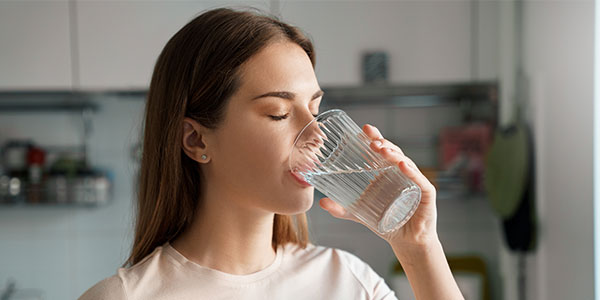

Staying properly hydrated is one of the simplest yet most powerful things you can do for your health, yet many people underestimate how much water they actually need. While the old “eight glasses a day” rule is a good starting point, your real needs depend on your body weight, activity level, climate, and overall health. A more accurate guideline is to drink roughly half your body weight in ounces daily, for example, a 150-pound person should aim for about 75 ounces (around 9–10 cups).
Your body is made up of 60% water, and even mild dehydration can affect energy levels, focus, mood, digestion, and physical performance. Water helps transport nutrients, regulate body temperature, lubricate joints, and flush out toxins. When you don’t drink enough, these essential functions start to suffer.
Watch for early signs of dehydration such as thirst, dry mouth, dark yellow urine, fatigue, headaches, dizziness, difficulty concentrating, and dry skin. More advanced symptoms include muscle cramps, constipation, rapid heartbeat, and feeling lightheaded when standing up. Many people mistake these signals for hunger or tiredness and reach for snacks or coffee instead of water.
To stay hydrated effectively, start your day with 16–20 ounces of water upon waking. Carry a reusable bottle with you and sip throughout the day rather than chugging large amounts at once. Foods with high water content, cucumbers, watermelon, oranges, strawberries, celery, and lettuce, also contribute to your daily intake.
Factors that increase your needs include exercise, hot or humid weather, high altitudes, pregnancy, breastfeeding, and illness. If you drink coffee or alcohol, add extra water to offset their mild diuretic effect.
Proper hydration supports clearer skin, better digestion, improved cognitive function, and steadier energy. Making it a daily habit can quickly improve how you feel.
Check Out Our 5 Star Reviews





 Send Text
 How May I Help You?