

Why Cholesterol Ratios Matter More Than Just the Numbers
When it comes to cholesterol, many people focus solely on the total number, but recent research suggests this is not the full story. Cholesterol ratios—such as the balance between HDL (good cholesterol) and LDL (bad cholesterol)—offer a more accurate measure of heart health and risks. In this blog, we’ll explore why cholesterol ratios matter more than just the numbers, how to interpret them, and what steps you can take to improve your cholesterol levels for better cardiovascular health. For more information, contact us or request an appointment online. We serve patients from Lesslie SC, India Hook SC, Riverview SC, Newport, SC, Catawba SC, Tega Cay SC and surrounding areas.


Cholesterol—it’s a word that often strikes fear into the hearts of health-conscious individuals. We’ve all heard the warnings about high cholesterol leading to heart disease, strokes, and other cardiovascular woes. But here’s the thing: focusing solely on your total cholesterol number might be missing the bigger picture. In fact, experts increasingly emphasize that cholesterol ratios provide a more accurate assessment of your heart health risk than isolated figures alone. Let’s dive into what cholesterol really is, why ratios trump absolute values, and how you can use this knowledge to take control of your health.
Understanding Cholesterol Basics
Cholesterol is a waxy substance produced by your liver and also found in certain foods. It’s essential for building cells, producing hormones, protecting nerves/ central nervous system, and aiding digestion. However, not all cholesterol is created equal. There are a few key players:
- HDL (High-Density Lipoprotein): Often called “good” cholesterol, HDL helps remove excess cholesterol from your bloodstream and transports it back to the liver for disposal.
- LDL (Low-Density Lipoprotein): Known as “bad” cholesterol, high levels of LDL can lead to plaque buildup in arteries, increasing the risk of heart issues.
- Total Cholesterol: This is simply the sum of HDL, LDL, and other components like VLDL (very low-density lipoprotein).
- Triglycerides: Another type of fat in the blood, often elevated due to diet, that can contribute to artery hardening when high.
While knowing these individual numbers from a blood test is important, they don’t tell the full story. For instance, someone with a high total cholesterol might still have a low risk if their HDL is exceptionally high.
The Limitations of Absolute Cholesterol Numbers
For years, doctors focused on keeping total cholesterol below 200 mg/dL as a benchmark for good health. But this one-size-fits-all approach has flaws. Absolute numbers can be misleading because they don’t account for the balance between good and bad cholesterol. For example:
- A person with total cholesterol of 250 mg/dL but high HDL (say, 80 mg/dL) might be at lower risk than someone with total cholesterol of 180 mg/dL but low HDL (40 mg/dL).
- Factors like age, gender, genetics, and lifestyle also influence how these numbers play out, making isolated values less predictive.
Relying only on totals can lead to unnecessary anxiety or, worse, overlooking real risks. That’s where ratios come in—they provide context by showing the proportion of protective HDL to the more harmful components.
Key Cholesterol Ratios and Why They Matter
The most commonly discussed ratio is the total cholesterol to HDL ratio, calculated by dividing your total cholesterol by your HDL level. A lower ratio is better, as it indicates more “good” cholesterol relative to the total. Here’s a quick breakdown:
- Optimal Ratio: Below 3:1 (associated with low heart disease risk).
- Average Ratio: Around 4:1.
- High-Risk Ratio: 5:1 or above, signaling a greater chance of cardiovascular problems.
Another important metric is non-HDL cholesterol, which is your total cholesterol minus HDL. This captures all the “bad” types in one number and is often a stronger predictor of risk than LDL alone. Aim for non-HDL below 130 mg/dL for optimal health.
There’s also the LDL to HDL ratio, ideally under 2:1, and the triglyceride to HDL ratio, where below 2:1 is considered good and above 3:1 may indicate insulin resistance.
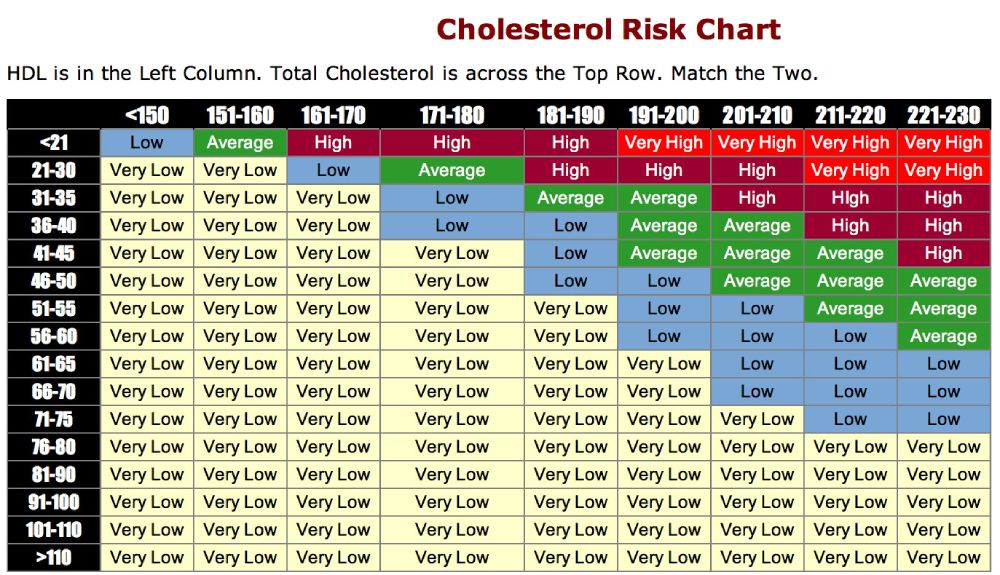
These ratios matter more because they reflect the dynamic interplay between cholesterol types. High HDL can offset higher LDL, acting like a protective shield against artery plaque. Studies show that ratios are better at predicting heart events than total cholesterol alone, helping doctors tailor treatments more effectively.
Visualizing these ratios can make them easier to grasp. Check out this risk chart based on cholesterol balances.
How to Improve Your Cholesterol Ratios
The good news? You can influence your ratios through lifestyle changes, often without medication. Focus on boosting HDL while lowering LDL and triglycerides:
- Diet: Emphasize heart-healthy foods like oats, nuts, fatty fish (rich in omega-3s), and soluble fiber from fruits and veggies. Reduce saturated fats and sugars.
- Exercise: Aim for at least 150 minutes of moderate activity per week, like brisk walking or cycling, which raises HDL.
- Weight Management: Losing even 5-10% of body weight can improve ratios significantly.
- Quit Smoking: Smoking lowers HDL; quitting can reverse this.
- Moderate Alcohol: If you drink, limit to one drink per day for women and two for men, as it may slightly boost HDL (but consult your doctor).
Regular check-ups are key—get your lipids tested every 4-6 years if healthy, or more often if at risk. If ratios remain off despite efforts, medications like statins might be needed, but always under medical guidance.
For a clearer view of what ideal ratios look like, here’s a normal range chart to reference.
Final Thoughts: Empower Yourself with the Full Picture
Cholesterol management isn’t about chasing a single magic number; it’s about understanding the harmony (or discord) between its components. By prioritizing ratios, you gain a more nuanced view of your cardiovascular health, empowering better decisions.




 Send Text
 How May I Help You?