

Cortisol Isn’t the Enemy, Chronic Stress Is
Cortisol is an essential hormone that helps regulate energy, immune function, and stress responses. However, when chronic stress keeps cortisol levels elevated, it can lead to negative health effects such as insulin resistance, anxiety, and cognitive decline. To properly manage cortisol, it is important to address the root cause: chronic stress. Simple lifestyle changes, like getting morning sunlight, practicing stress-relieving breathing techniques, and minimizing screen time before bed, can help restore balance. Dr. Jeff Matz, DC, MS, at Via Nova Health, specializes in helping patients manage stress and optimize cortisol levels for improved overall health and well-being. For more information, contact us or request an appointment online.
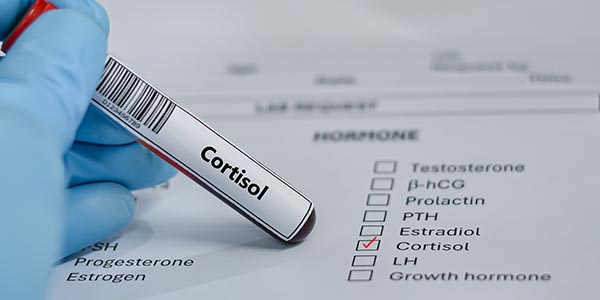

In the world of wellness, cortisol is frequently cast as the “monster under the bed,” blamed for everything from stubborn belly fat to late-night anxiety. However, the truth known by every endocrinologist is that if your cortisol actually hit zero, you wouldn’t be relaxed, you would be in the emergency room. Cortisol isn’t a design flaw; it is an essential biological messenger vital for your energy, immune system, and survival. The real problem isn’t the hormone itself, but rather the chronic, unrelenting stress of modern life that keeps it switched “on” when it should be “off.” Think of cortisol as your body’s natural caffeine, governed by a 24-hour circadian rhythm. Under normal conditions, you experience a “Cortisol Awakening Response” about 30 to 45 minutes after waking, providing the alertness and blood sugar boost needed to start your day. As the sun sets, cortisol should naturally drop to its lowest point, clearing the stage for melatonin to rise and facilitate deep, restorative sleep. Without this battery manager, you wouldn’t even have the blood pressure required to stand up in the morning.
The bad reputation of cortisol largely stems from its role in the fight-or-flight response, triggered by the HPA axis (Hypothalamic-Pituitary-Adrenal) during acute stress. In these moments, cortisol is a hero: it dumps glucose into your bloodstream for instant energy, sharpens your focus, and temporarily pauses non-essential systems like digestion so your muscles can take priority. Once the threat passes, a built-in negative feedback loop acts as an “off switch,” allowing your body to return to a balanced state of homeostasis. But in current society, the primary issue is no longer the occasional physical threat; it is the “Micro-Stressors” that never stop, such as late-night email notifications, traffic jams, and doomscrolling. When your brain perceives these threats 24/7, the HPA axis never gets the signal to stand down, leading to a state called allostatic overload. This chronic elevation is where the damage happens, causing immune cells to become “deaf” to anti-inflammatory signals, forcing the liver to pump out excess sugar that leads to insulin resistance, and even causing the brain’s memory center, the hippocampus, to shrink while the fear center, the amygdala, becomes hyper-reactive.
To resolve this, you must stop trying to “fix” the hormone and start fixing the signal your brain sends to your adrenals. Taking a supplement to lower cortisol while maintaining a high-caffeine, high-stress lifestyle is like putting a band-aid on a broken leg.
Instead here are a few ways to anchor cortisol:
- View morning sunlight within 30 minutes of waking, which ensures your cortisol peaks and drops at the correct times.
- Use your breath as a remote control for your nervous system; practicing an exhale-led technique like 4-7-8 breathing triggers the vagus nerve to send a “safe” signal to the brain, manually turning off the stress response.
- Waiting 60 to 90 minutes after waking for your first coffee allows your natural surge to do its job without over-taxing the system,
- Have a “digital sunset” putting electronics away and turning off the TV two hours before bed prevents blue light from keeping cortisol artificially high and blocking your sleep-inducing melatonin.
Ultimately, cortisol is a tool, not a toxin; it provides the energy to pursue goals and the focus to solve problems. By managing the environment that over-stimulates your biology and lowering the “noise” of chronic stress, cortisol can return to its rightful role as a supportive multitasker rather than a source of health decline.
Check Out Our 5 Star Reviews





 Send Text
 How May I Help You?