
Nicotine–The Surprising Therapeutic Potential of Patches and Pure Nicotine
Nicotine is widely known for its role in smoking addiction, but in recent years, pure nicotine—especially when delivered through transdermal patches—has emerged as a potentially valuable tool in alternative medicine. While nicotine is primarily FDA-approved for smoking cessation, growing research and off-label uses highlight its ability to enhance cognitive function, offer neuroprotection, and even reduce inflammation. For more information, contact us or request an appointment online. We serve patients from Lesslie SC, India Hook SC, Riverview SC, Newport, SC, Catawba SC, Tega Cay SC and surrounding areas.
Why?
Nicotine has long been vilified as the addictive culprit behind smoking’s dangers, but separated from tobacco’s harmful combustion products, pure nicotine—especially via transdermal patches—is gaining attention in alternative and integrative medicine. While primarily FDA-approved for smoking cessation, off-label and research-backed uses highlight its potential as a cognitive enhancer, neuroprotective agent, and anti-inflammatory tool. Here we explore the science, benefits, risks, and practical considerations for nicotine patches in non-smoking contexts.
How nicotine works: stimulating the brain’s reward and regulatory pathways
Nicotine binds to nicotinic acetylcholine receptors (nAChRs) throughout the body, modulating neurotransmitter release like dopamine, serotonin, and glutamate. This enhances focus, mood, and neural signaling without the tar, carbon monoxide, or carcinogens from smoking.
- Cognitive enhancement and nootropic effects
Experts like Paul Newhouse at Vanderbilt call nicotine “the most reliable cognitive enhancer we currently have.” Studies show improvements in attention, memory, and executive function in non-smokers, with potential benefits for ADHD, schizophrenia, and mild cognitive impairment.
Low doses (1-2 mg/day, e.g., cut patches or gum) provide subtle focus boosts without euphoria, making it popular among biohackers.
- Neuroprotection: Parkinson’s and Alzheimer’s
Epidemiological data reveal smokers have a lower risk of Parkinson’s—likely due to nicotine’s neuroprotective effects on dopamine neurons. Trials with patches show reduced dyskinesia and cognitive decline. For Alzheimer’s, nicotine may enhance acetylcholine signaling and reduce amyloid plaque.
- Anti-Inflammatory applications:
Transdermal nicotine has been studied for active ulcerative colitis, with trials showing symptom improvement via the cholinergic anti-inflammatory pathway. It’s more established here than in other areas, though not first-line.
- Other emerging uses
- Weight management and appetite suppression.
- Mood stabilization (potential anti-anxiety/depressant effects).
- Post-COVID brain fog or long-haul symptoms (anecdotal and small studies).
Why patches stand out
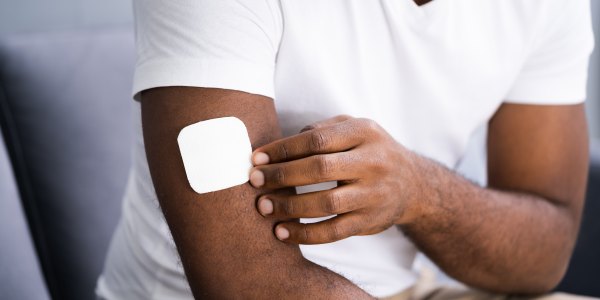
- Patches: Slow, steady release (7-21 mg over 24 hours) minimizes addiction risk and provides consistent levels—ideal for therapeutic, non-recreational use.
- Gum/Lozenges/Pouches: Faster onset for acute cognitive boosts but higher addiction potential due to spikes.
- Patches are preferred for off-label therapy as they avoid oral irritation and deliver without behavioral cues tied to smoking.
Risks and Caveats: Not a Panacea
While pure nicotine is far safer than smoking, but there are still risks which can include:
- Addiction (lower with patches, but possible).
- Cardiovascular effects (increased heart rate/BP).
- Nausea, skin irritation, insomnia.
- Not recommended for those with heart conditions or pregnancy.
Most experts emphasize low, intermittent doses and medical supervision. Large-scale trials for non-cessation uses are limited.
Final thoughts: A tool with promise, but proceed with caution
Nicotine patches represent a fascinating bridge between conventional and alternative medicine—offering potential benefits for brain health and inflammation when used thoughtfully. If considering off-label use, consult a knowledgeable healthcare provider, start low, and monitor effects.




 Send Text
 How May I Help You?