

Somatic Movement vs. Exercise: How to Release Trapped Stress from the Body
At Via Nova Health, Dr. Jeff Matz, DC, MS, uses gentle somatic movement to support relaxation, body awareness, and nervous system regulation. These mindful practices may help reduce tension, improve breathing, and create a calmer response to stress. Unlike intense exercise, somatic movement focuses on comfort and internal sensations rather than performance. This approach may help individuals reconnect with their bodies and develop healthier responses to ongoing stress. For more information, please contact us or book an appointment online. We are conveniently located at 1672 Overview Dr, Rock Hill, SC 29730.


We have been conditioned to believe that the only way to process stress through our bodies is to “sweat it out.” We hit the treadmill, lift heavy weights, or power through high-intensity interval training (HIIT).
While conventional exercise is fantastic for cardiovascular health, it is fundamentally an activating stressor. If your nervous system is already chronically overwhelmed, an intense, calorie-burning workout can actually backfire, driving your cortisol higher and trapping stress deeper within your tissues. This is where somatic movement changes the game.
The Difference: Burning Calories vs. Downregulating the Body
The primary goal of traditional exercise is external and output-driven, building muscle, burning calories, or hitting a target heart rate.
Somatic movement, however, is entirely internal and process-driven. Derived from the Greek word soma (meaning “living body”), somatic movement is the practice of moving mindfully to perceive internal physical sensations. The goal is not performance, but downregulating a hyper-vigilant nervous system and gently discharging stored physiological survival energy.
Your body remembers what your mind tries to forget. Unresolved stress, anxiety, and trauma physically manifest as chronic muscle tension, shallow breathing, and rigid posture. Somatic practices give that trapped energy an exit ramp.
3 Somatic Practices to Try Instead of a Hard Workout
If you are feeling completely depleted, swap your gym session for these restorative, trauma-informed practices:
- Somatic Shaking: Stand with your feet hip-width apart, soften your knees, and simply begin to shake your hands, arms, torso, and legs. Animals naturally shake their entire bodies after escaping a predator to release the adrenaline rush. Spending 3–5 minutes intuitively shaking helps clear excess survival energy from your nervous system.
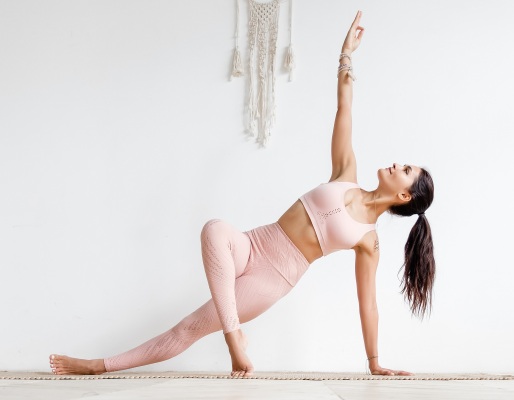
- Trauma-Informed Yoga: Unlike rigid fitness yoga focused on perfect alignment, trauma-informed yoga prioritizes personal agency. It invites you to move slowly, notice how your body responds to shapes, and make gentle adjustments based entirely on what feels emotionally and physically supportive to you.
- Spontaneous, Micro-Movement: Lie on a comfortable rug, close your eyes, and let your body move without a script. This might look like gently rocking your hips from side to side, slowly rolling your head, or stretching your spine like a cat.
By prioritizing how your body feels over how it performs, you stop forcing your way through healing and finally allow your nervous system to fully unwind.
Check Out Our 5 Star Reviews



 Send Text
 How May I Help You?